Well water iron
Air injection or manganese greensand: which iron filter is right?
Quick answer
Air injection dominates residential well systems because it needs no chemical feed and also handles hydrogen sulfide. Manganese greensand needs an ongoing potassium permanganate regenerant that somebody has to buy and handle, and both media only work within a published pH window, commonly above about 6.2 for iron and higher still for manganese.
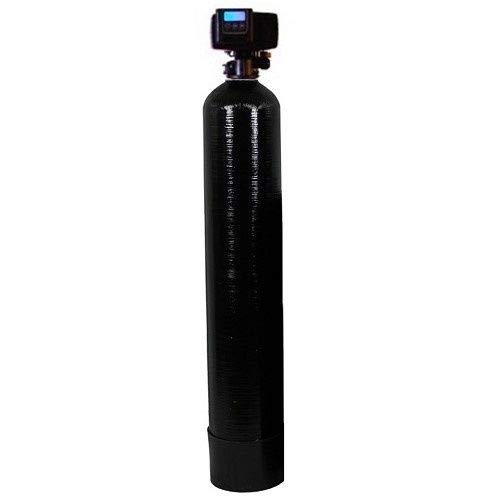
DuraWater Fleck 5600SXT Air Injection Iron Filter, 1.5 Cubic Foot
$899.00 Published specsDraws an air pocket on every backwash to oxidize iron with no chemical feed, and handles hydrogen sulfide alongside iron and manganese.
Best for: Well water with measured iron, manganese or a sulfur odor together
Check price on Amazon
GreensandPlus Filter Media, 1.56 Cubic Foot, NSF/ANSI 61 Certified
$469.49The oxidizing media used to rebed a greensand style filter. No packaged, complete greensand filter system appears in this catalog, only the media, so this side of the comparison is the media itself rather than a boxed unit.
Check before buying: Greensand needs potassium permanganate regeneration, which is a chemical somebody has to keep buying and handling. Iron removal needs pH above about 6.2 and manganese needs considerably higher.
Best for: Rebedding a greensand filter that already has a permanganate feed
Check price on AmazonBoth of these are backwashing oxidizing filters aimed at the same symptoms: iron staining, sometimes manganese, sometimes a rotten egg odor. The difference is entirely in how each one gets its oxidizer into the water, and that difference decides how much ongoing attention the system needs for the rest of its life.
Neither media works outside its published pH range, and that single fact explains most disappointed reviews of both approaches. A filter installed on water outside the media pH window will not perform the way the specification sheet promises, no matter which of these two you choose, and that is a laboratory question rather than a brand question.
On this page
How does an air injection iron filter work?
On each backwash cycle, the control valve draws a pocket of air into the top of the mineral tank. As water passes through that air pocket on the way through the media bed, dissolved iron and manganese oxidize against the oxygen in the air, and hydrogen sulfide reacts the same way, producing solids the media bed then traps until the next backwash flushes them to drain. Because the oxidizer is atmospheric air rather than a stored chemical, there is nothing to mix, refill, or handle beyond the media itself.
How does a manganese greensand filter work?
Greensand media carries a manganese dioxide coating that oxidizes iron, manganese and hydrogen sulfide on contact. That coating gets consumed as it works, and it is restored through periodic regeneration with a potassium permanganate solution, such as Pro Products Pot Perm Plus Greensand Iron Filter Regenerant, which is either fed continuously in small doses or dosed during backwash depending on how the system is set up. Either way, potassium permanganate is a consumable somebody has to keep buying, mixing correctly, and handling safely, since it is a strong oxidizer that stains anything it touches.
How do the two compare on ongoing maintenance?
Air injection needs no regenerant chemical at all; greensand needs an ongoing potassium permanganate feed that has to be maintained correctly to keep working.
Rule of thumb Water treatment trade convention rather than a published standard. Taught everywhere, useful for planning, and not a specification. No standards body publishes it.
| Factor | Air injection | Manganese greensand |
|---|---|---|
| Oxidizer | Atmospheric air, drawn in each backwash | Potassium permanganate, fed on a schedule |
| Ongoing consumable | None beyond the media itself | Potassium permanganate, purchased and refilled |
| Handles hydrogen sulfide | Yes, commonly published alongside iron and manganese | Yes, but performance depends on correct permanganate dosing |
| Typical published iron pH minimum | Roughly 6.2 and up, media dependent | Roughly 6.2 for iron, higher for manganese |
| Failure mode when misdosed or out of pH range | Media simply stops oxidizing effectively | Under dosing leaves iron untreated; over dosing can bleed permanganate color into water |
These pH figures are the media manufacturer published minimums cited in this comparison, not a laboratory result for any specific well. Confirm the exact published range for the media you buy.
Why does air injection dominate residential installations?
The absence of a chemical feed is the whole story. A homeowner with an air injection system has one fewer thing to buy, mix, and remember to refill, and one fewer chemical handling step in the garage or basement. Air injection systems such as AFWFilters Air Injection Iron Filter, Black Series also commonly publish combined tolerances for iron, manganese and hydrogen sulfide together, which covers the typical well water complaint in one machine.
Is greensand ever still the better choice?
Where a well already has a functioning greensand system and a reliable permanganate feed in place, rebedding with GreensandPlus Filter Media, 1.56 Cubic Foot, NSF/ANSI 61 Certified rather than switching platforms entirely can make sense, since the plumbing, control valve, and chemical feed infrastructure are already sunk costs. Greensand is also a long established, well understood media with a long service history in higher iron applications where an installer has specific experience with it. For a new installation with no existing infrastructure, air injection is usually the simpler starting point.
Frequently asked questions
Does air injection work on very high iron levels?
Published capability varies by model, and several air injection systems state combined iron, manganese and hydrogen sulfide tolerances into the double digit parts per million range. The right unit is decided by your certified laboratory result compared against that specific model published specification, not by assuming any air injection filter automatically covers a high reading.
What happens if greensand media runs out of potassium permanganate?
The manganese dioxide coating on the media gradually depletes as it oxidizes iron and manganese, and without regeneration it stops working effectively, letting untreated iron pass through. This is the ongoing maintenance cost of greensand that air injection avoids, and it is why a reliable permanganate feed schedule matters as much as the media itself.
Can I switch an existing greensand filter to air injection?
Generally this means replacing the control valve and media rather than modifying the existing system, since air injection valves draw air differently than a greensand regeneration cycle is built to handle. It is a real project, not a simple valve swap, and is usually worth comparing against the cost of just maintaining the existing greensand feed.
Why did my new iron filter stop working even though it is rated for my iron level?
The most common cause is water chemistry outside the media published pH window. Oxidizing media, whether air injection based or greensand, is specified against a minimum pH for iron and a higher one for manganese, and media working outside that window simply does not oxidize properly regardless of how well suited the published iron capacity looked on paper.
Is potassium permanganate safe to handle at home?
It is a strong oxidizer that stains skin, clothing and surfaces on contact and should be handled according to the container instructions, with gloves and care around spills. It is not classified as an extreme hazard for a homeowner following label directions, but it is a genuine step up in handling complexity compared with an air injection system that needs no chemical at all.
Do both air injection and greensand need backwashing?
Yes, both are backwashing media beds that periodically flush accumulated oxidized iron, manganese and sediment to drain, typically on an automatic schedule set by the control valve. The backwash step is where air injection draws its air pocket and where a greensand system commonly doses its permanganate, so both need a drain connection and enough water pressure to complete the cycle.
Get the complete water treatment shopping list
Every item in the starter, complete and premium systems for both city water and well water, with running totals, in one printable list. It opens with the test kit, because that is genuinely the first purchase. No charge.
One list, no sequence of daily emails, and you can leave at any time.
Researched, not professional advice. This page is compiled from published standards, regulatory limits, manufacturer specifications and owner-review consensus, not hands-on testing. Nothing here diagnoses a water problem or says any product makes water safe to drink. Figures described as a rule of thumb are water treatment trade convention rather than published standards, and they are labeled that way wherever they appear. Test your water before you buy equipment: on city water start with the Consumer Confidence Report your utility publishes each year, and on a private well only a certified laboratory test tells you what you have. Bacteria, nitrate, lead, arsenic and PFAS are not do it yourself topics, they are invisible and tasteless, and they need a laboratory and usually a licensed professional rather than a product. Remember that a certification covers a specific claim under a specific standard, so "NSF certified" with no number attached tells you very little.